

There are quite a few interesting cards in this set, but Centurion is a format that strives for competitiveness, and “interesting” alone is almost never enough.
The comparison with the first The Lord of the Rings release is particularly striking.
That set brought absolute powerhouses like The One Ring and Orcish Bowmasters, but it’s worth remembering that it was a Modern-Horizons like expansion, whereas The Hobbit is a Standard-legal release.
So don’t expect that same level of raw power. Putting together this Top 10 meant looking at two different kinds of cards: those with broad appeal across multiple archetypes, and those that are only exciting in one very specific shell. Naturally, the latter category reflects the decks I know best, so if your favorite Centurion deck picked up an auto-include that I missed, let everyone know!
Top 10 Cards for Centurion
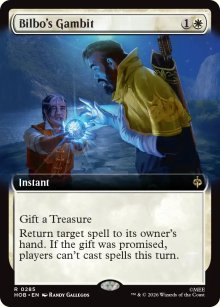
Bilbo’s Gambit
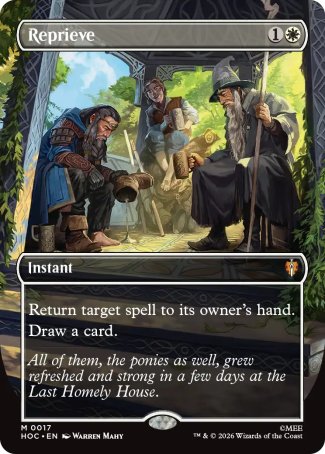
This card, very similar to Reprieve, made everyone excited on day zero, but while I understand the excitement, I think it’s only partially justified.
Blue decks simply have too many stronger options available in that slot, whether they’re leaning toward control or tempo.
Combo decks are also particularly unhappy to rely on this for protection during their own turn, since giving the opponent a Treasure interferes with our own spells.
So where does Bilbo’s Gambit actually shine?
In my opinion, it’s at its best in non-blue aggro, tempo, and midrange decks. Picture a board state where you’re ahead (or even just tied ) but a single powerful spell, or perhaps a pair of removal spells and/or blockers, would completely swing the game.
A well-timed Gambit can deny a whole defensive turn and create the opening needed to finish the game.
Of course, a card that’s only great when you’re already not losing isn’t exactly a universally powerful card. Still, for many non-blue decks, there simply aren’t many better ways to interact on the stack.
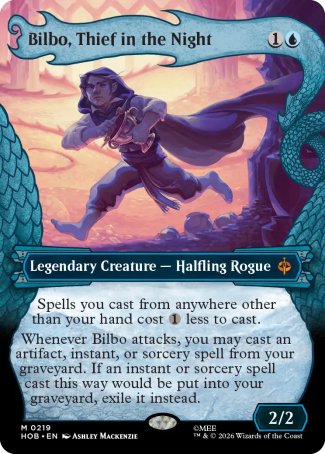
Bilbo, Thief in the Night
A very flexible card that I’m sure some players will also experiment with as a commander.
Inside the 99, it discounts commanders, spells cast from exile, and spells cast from the graveyard (Three zones that are far from irrelevant in today’s Centurion metagame).
Once it starts attacking, it also gives access (at a lower cost) to three card types that show up constantly, both in dedicated archetypes and in more generic shells
Its biggest weaknesses are obvious: it has no evasion, and more importantly, it has to survive a full turn cycle before generating value.
Had this been printed in a Modern Horizons-style product, it probably would’ve triggered on ETB without anyone batting an eye.
As a commander, it opens several interesting directions (Tempo, artifacts, maybe even Voltron) but I’m not yet convinced any of those shells can become truly competitive.
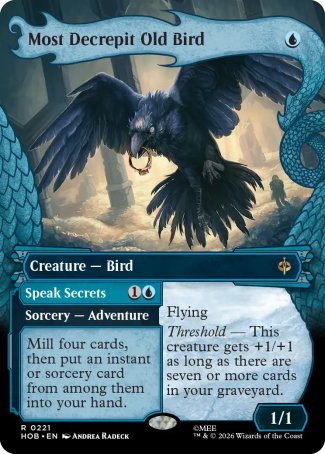
Most Decrepit Old Bird
If the word “Canadian” only makes you think of the Toronto Raptors and Robin Scherbatzki, you can probably skip this one.
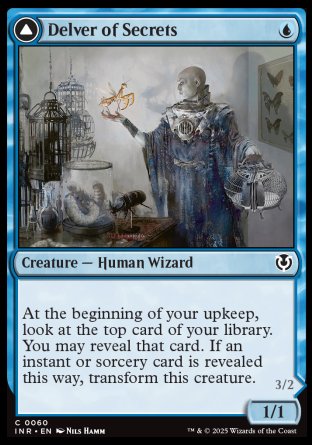
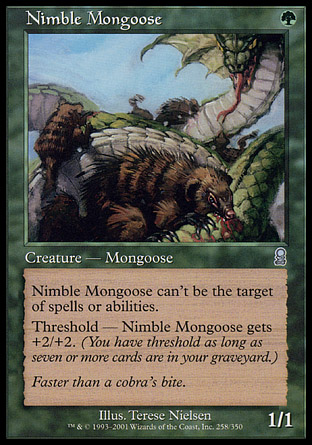
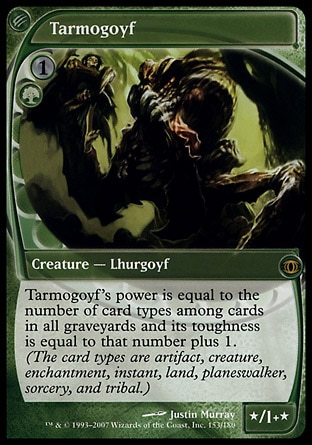
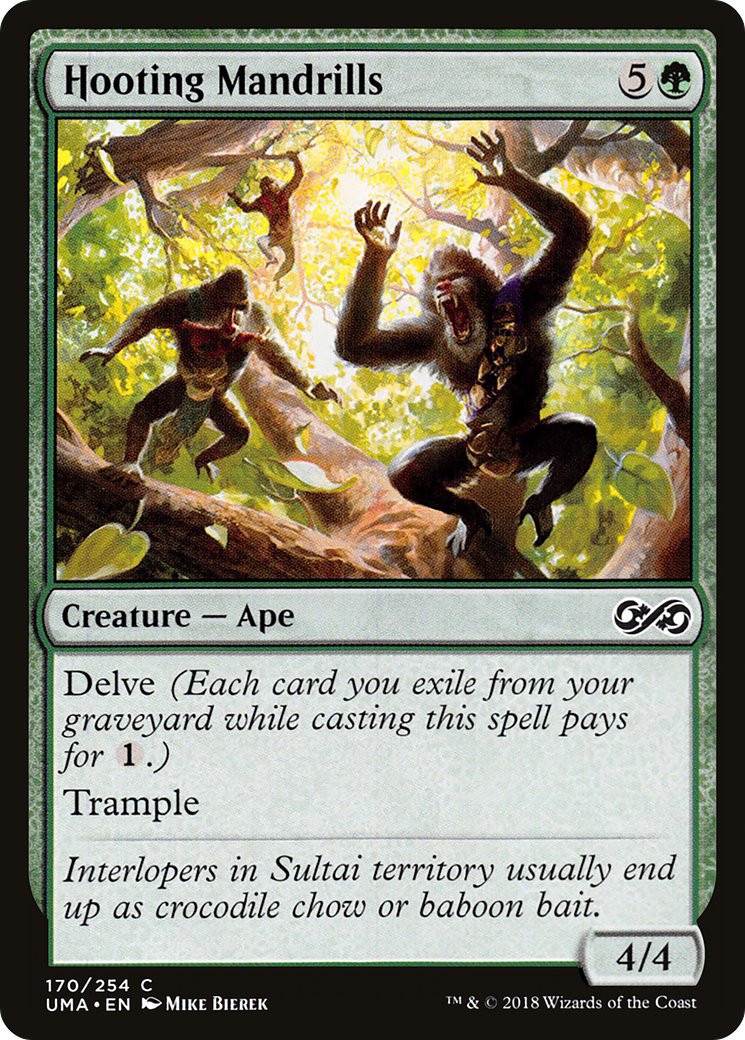
But if your heart still belongs to Canadian Threshold—the archetype that over the years has played Nimble Mongoose, Tarmogoyf, Delver of Secrets, and yes, even Hooting Mandrills— then this card probably caught your eye before mine.
I can imagine some Reanimator lists being interested in the Adventure half, although those decks usually don’t care much about a small evasive attacker.
Tempo decks are a completely different story.
They can use their graveyard, appreciate access to strong interaction, and are perfectly happy chipping away in the air every turn.
Riddles in the Dark
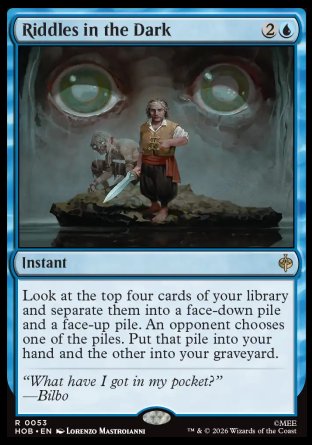
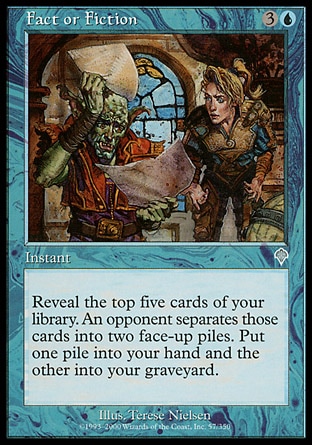
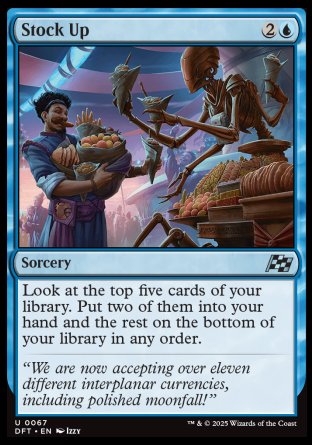
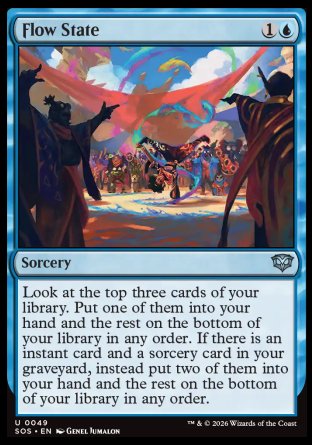
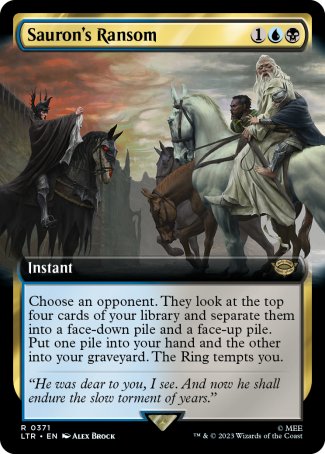
I’m certainly not going to compare this to Fact or Fiction, which gives us much more control over the split, nor to cards like Stock Up or Flow State.
Still, being a three-mana instant while also putting the unchosen cards into your graveyard makes this an intriguing option.
If you’re already playing Sauron’s Ransom (Or wish you could but you don’t play black) this is definitely worth considering.
Bejeweled Warg
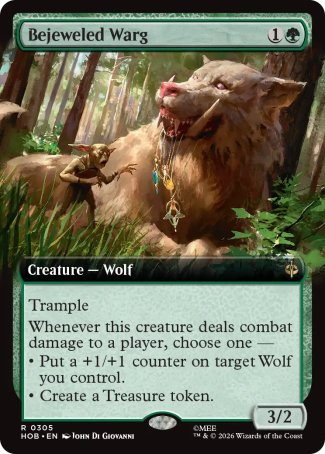
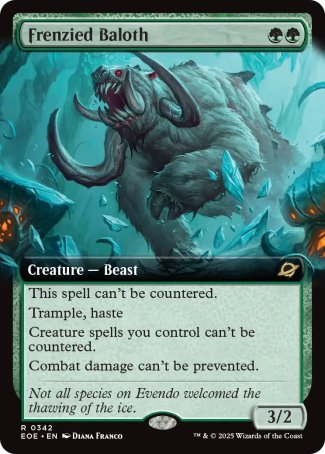
Creature-heavy decks that have experimented with Frenzied Baloth may also want to look at this angry little beast, albeit for different reasons.
A respectable body that generates value every turn is always worth paying attention to.
Once you add the ability to choose between extra mana or permanent growth after drawing, the card becomes much more appealing than it first appears.
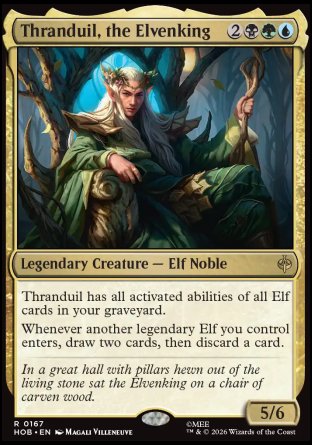
Thranduil, the Elvenking
This is, by far, the legendary creature from The Hobbit that I expect to see the most as a commander.
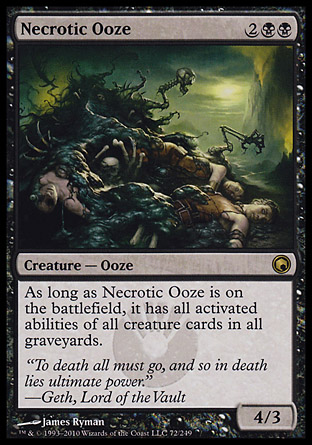
Having a combo piece permanently available from the command zone is always something to respect, especially when the gameplay evokes memories of the once-feared Necrotic Ooze.
The obvious limitation (Only copying abilities from a specific subset of creatures) is largely offset by granting access to Sultai colors, arguably the best color combination for this type of strategy. Neither Trazyn nor Old Stickfingers had that luxury.
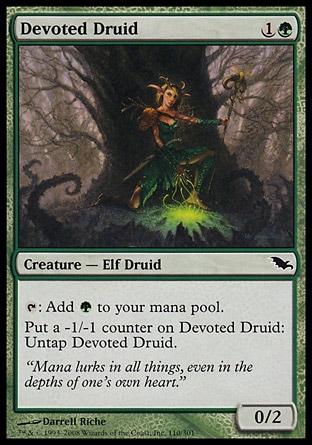
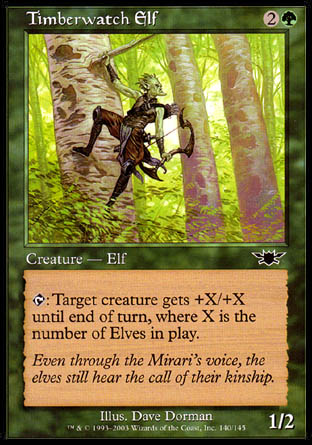
The cEDH community wasted no time exploring the possibilities, and several combos have already emerged, including:
* Devoted Druid + Timberwatch Elf
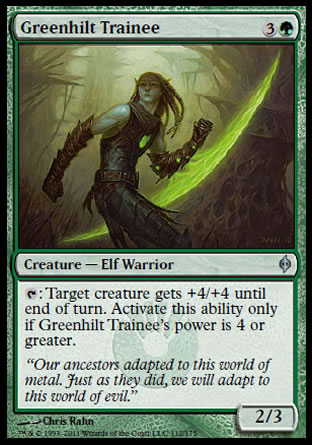
* Devoted Druid + Greenhilt Trainee
You get the idea.
Go buy your Devoted Druids.
Will someone crack the perfect list? Will this become a top-tier commander? Are the PTSD flashbacks from the days when Necrotic Ooze was legal actually justified?
We’ll find out soon enough.
Azog, Moria’s Ruin
Now we’re getting into the more niche cards.
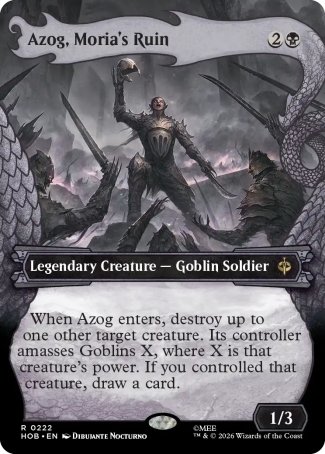
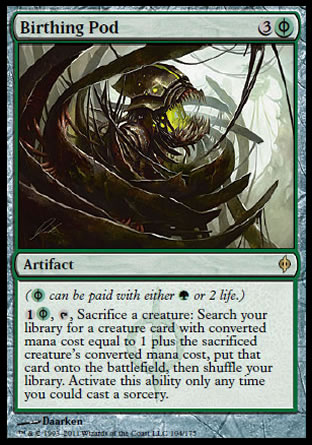
Dedicated Birthing Pod players know that a three-mana creature attached to unconditional removal isn’t something you find every day.
Yes, the removal comes with a downside, but it’s a relatively minor one when you’re killing small yet incredibly annoying creatures like Drannith Magistrate.
On top of that, there are plenty of situations where targeting one of your own creatures is actually desirable, especially since Azog replaces both the creature and itself.
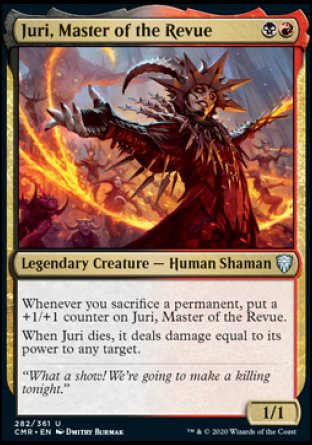
Want to fling your own Juri without losing access to its sizeable body?
Done.
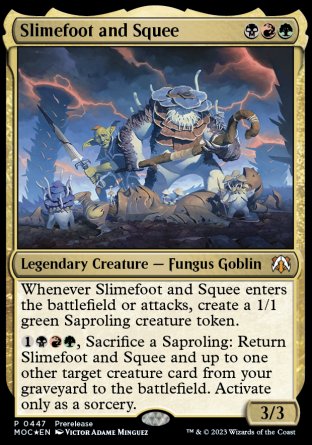
Need to sacrifice Slimefoot & Squee because you’ve got something juicy waiting in the graveyard?
Easy.
Would you rather have two 8/8s than one?
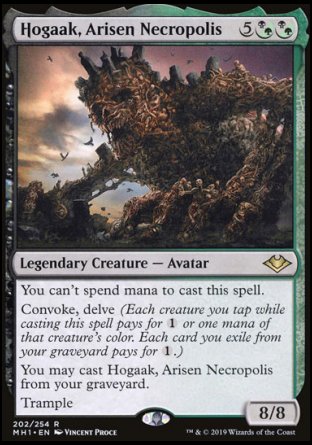
Simply kill your own Hogaak, and Azog plus the Army token conveniently help cast it again.
Smaug the Magnificent
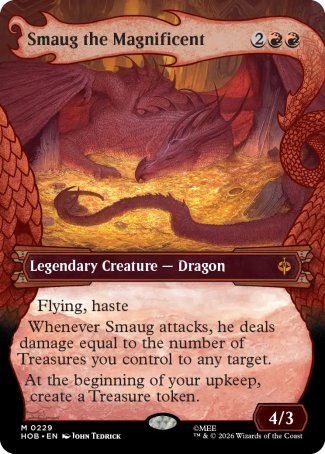
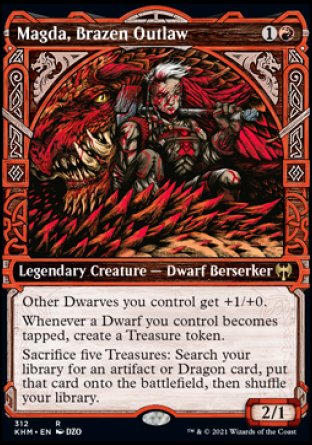
Outside of Magda, this is just another Dragon.
Inside Magda, however, we’re looking at an easily castable threat that promises huge chunks of damage to blockers and defending players while also generating Treasures all by itself.
And yes, if you stack the triggers correctly, Smaug will also count every Treasure created by the Dwarves attacking alongside him.
The Sackville-Bagginses
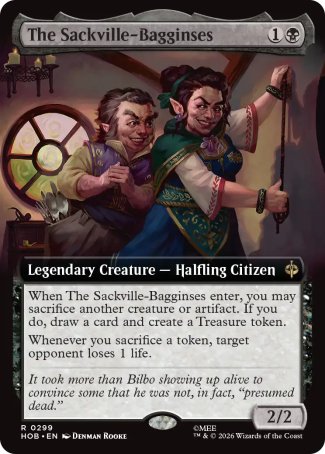
At first glance, I dismissed this card as something that only belonged in sacrifice shells.
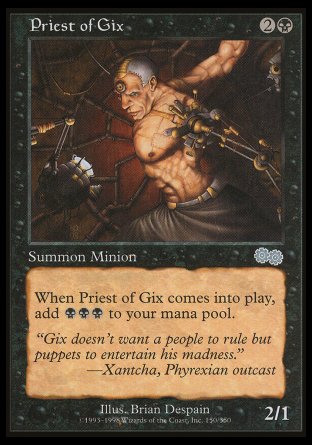
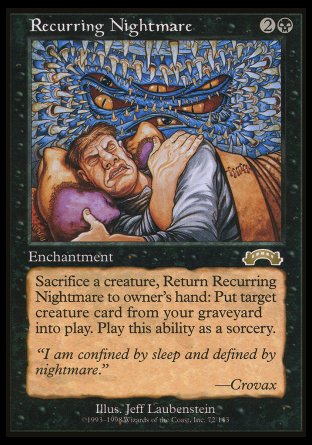
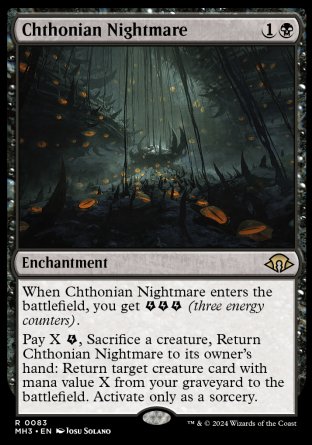
Then I realized it opens up some very interesting loops involving Priest of Gix alongside either Recurring Nightmare or Chthonian Nightmare.
Each iteration produces a card, a Treasure, and one point of damage to your opponent.
Once you can repeatedly loop the ETB, the game ends very quickly.
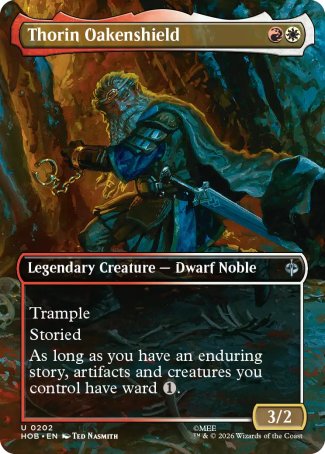
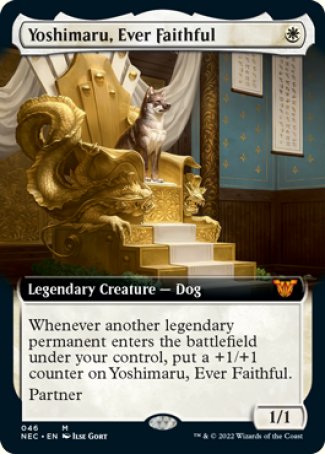
Thorin Oakenshield
The two-drop slot in Yoshimaru decks is already crowded, but Thorin might still earn a place.
Legendary permanents are never in short supply there, and you only need one additional legend beyond Thorin and Yoshimaru themselves to grant your entire board Ward 1.
A 3/2 for two mana certainly doesn’t hurt either.
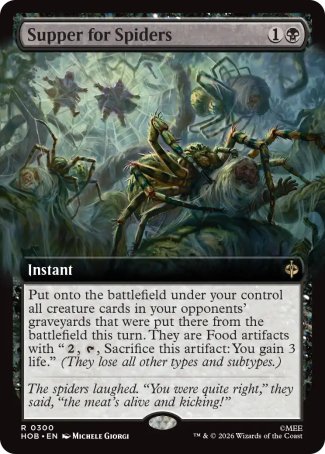
Honorable Mention: Supper for Spiders
This honorary eleventh card is here for purely personal reasons.
In most one-on-one games, it’s honestly mediocre and highly situational.
You have to invest resources (Whether removal or combat) to kill an opposing creature, and only then do you get access to its ETB or activated abilities, assuming they matter and assuming the matchup even revolves around creatures.
It doesn’t work against commanders, and it does literal nothing against creature-light decks.
Sure, stealing an Atraxa sounds fantastic. Most of the time, though, this card simply has no meaningful text.
…Unless.
Unless there happens to be a deck that can repeatedly kill opposing creatures without spending mana, while also turning Food into a meaningful resource regardless of what the tokens normally do.
That deck just might make Supper for Spiders legendary.
You all know which deck I’m talking about, even if you still can’t pronounce its name:
Asmoranomardicadaistinaculdacar.
And that’s my personal Top 10 (plus one) from The Hobbit for Centurion.
I’m sure I’ve overlooked something, especially among the more specialized build-arounds. Now it’s your turn. What are you hoping to open to break in Season 2?
Which forgotten archetype just received an unexpected Christmas present?
Matteo Braghiroli