

Let’s be honest: Centurion is a format for romantics.
Some decks stay with us for years.
They’re the ones our local communities associate with our names, the ones we patiently tune and refine in search of the perfect list. Sometimes they’re top tier.
Sometimes they’re nowhere near it. More often than not, they’re simply underrepresented because they get lost among the countless alternatives the format offers.
Today I’d like to share one of my decks, in the hope that exchanging ideas and knowledge helps both the format and its community continue to grow.
The Deck
https://moxfield.com/decks/UvVDH7rAnUecnBR0deRipQ Rograkh // Tevesh is a blue-less combo deck, and in particular a Storm deck.
The primary game plan is straightforward: cast enough spells in a single turn to close the game with Tendrils of Agony.
I highly recommend it to players who enjoy the Storm mechanic and non-linear combo decks, as most wins require solving a genuine puzzle, carefully choosing and sequencing your spells to find the winning line.
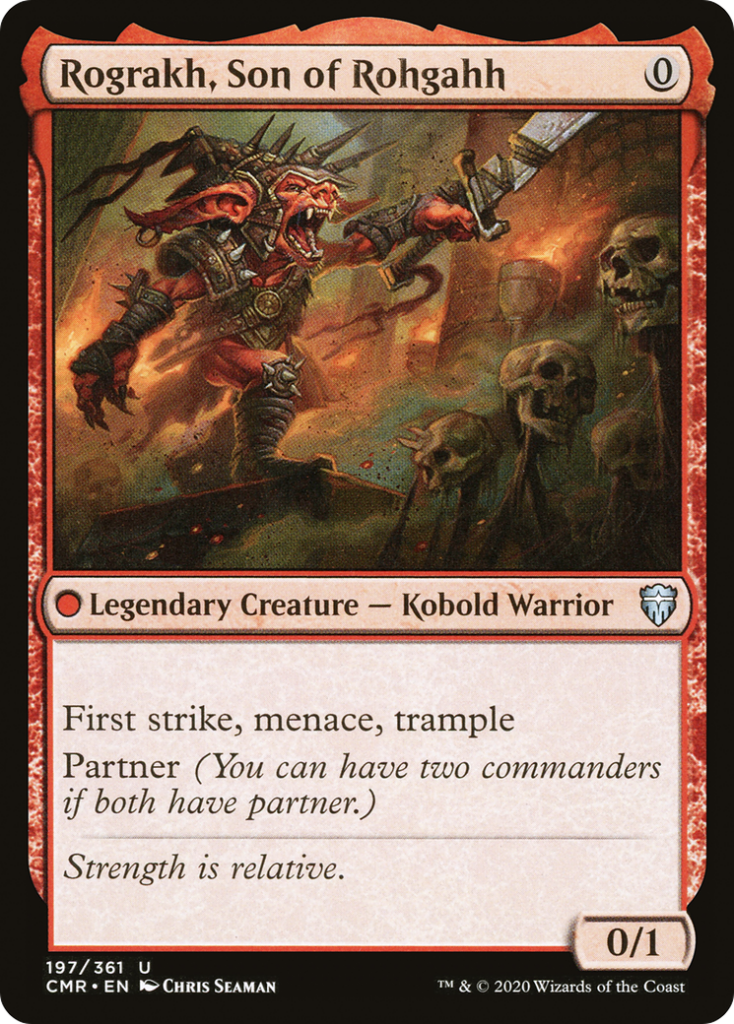
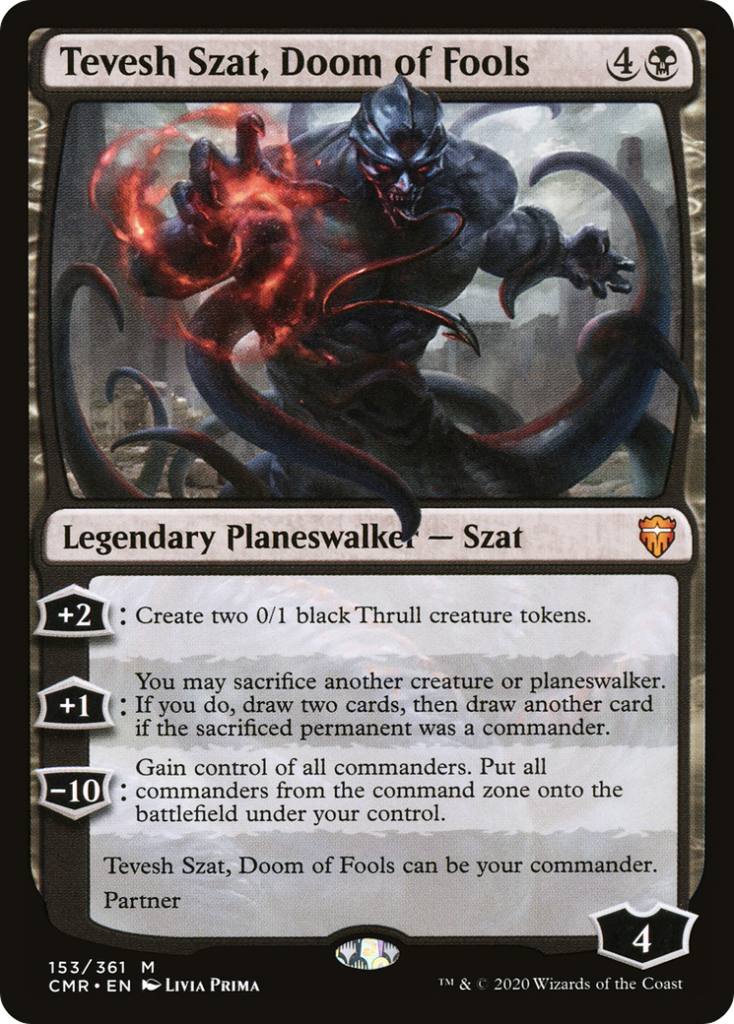
Among all the possible Storm commanders across various color combinations, I eventually settled on this rather unusual pair: a 0-mana creature and a planeswalker.
In most games, you’ll just cast Tevesh Szat. Beyond the obvious advantage of having a planeswalker in the command zone, Tevesh presents difficult problems for both aggro and control decks. He enters the battlefield at six loyalty immediately producing two blockers, generates card advantage, and will eventually take over the game if left unchecked.
In grindy matchups it’s not uncommon to cast him three or even four times, forcing opponents to spend valuable resources answering him while quietly paving the way for our combo turn.
His ultimate deserves a special mention. Besides stealing an opposing commander, if you activate it while Tevesh is exactly at 10 loyalty, he’ll return to the battlefield immediately, ready to sacrifice the Kobold that entered alongside him.
Since commander tax is now (rightfully) shared between partners, Rograkh sees less battlefield time than he used to. Still, there are games where casting him after Tevesh effectively turns every Kobold into three fresh cards. More rarely, he simply comes down for free early in the game to help build Storm count and pair with specific cards like Culling the Weak.
Win Conditions
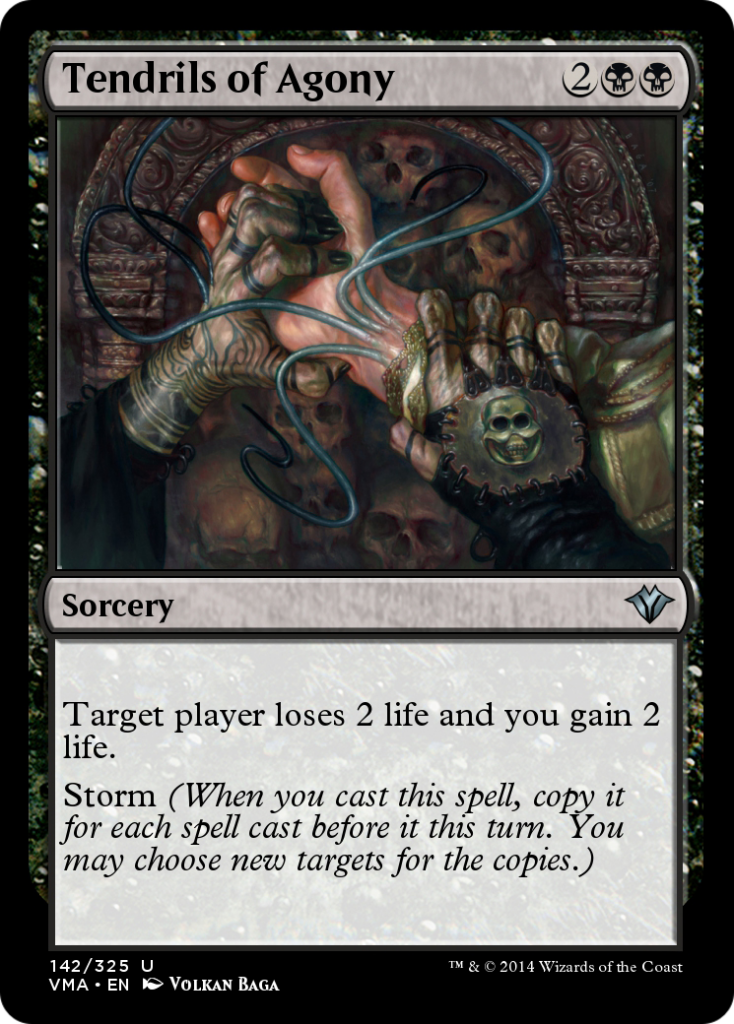
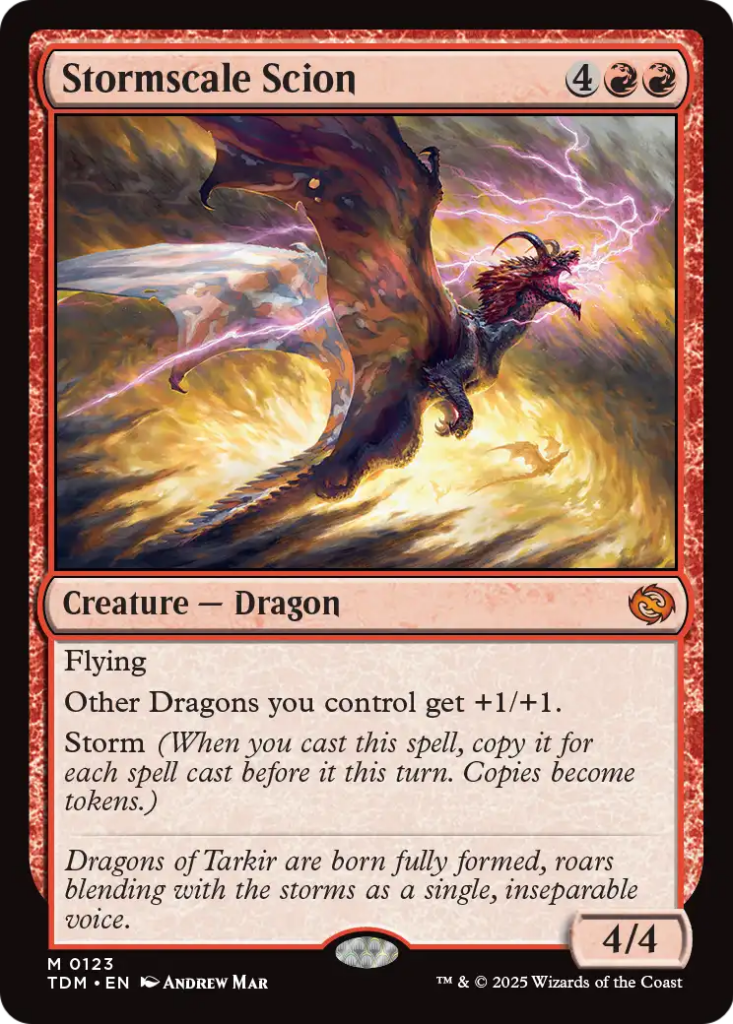
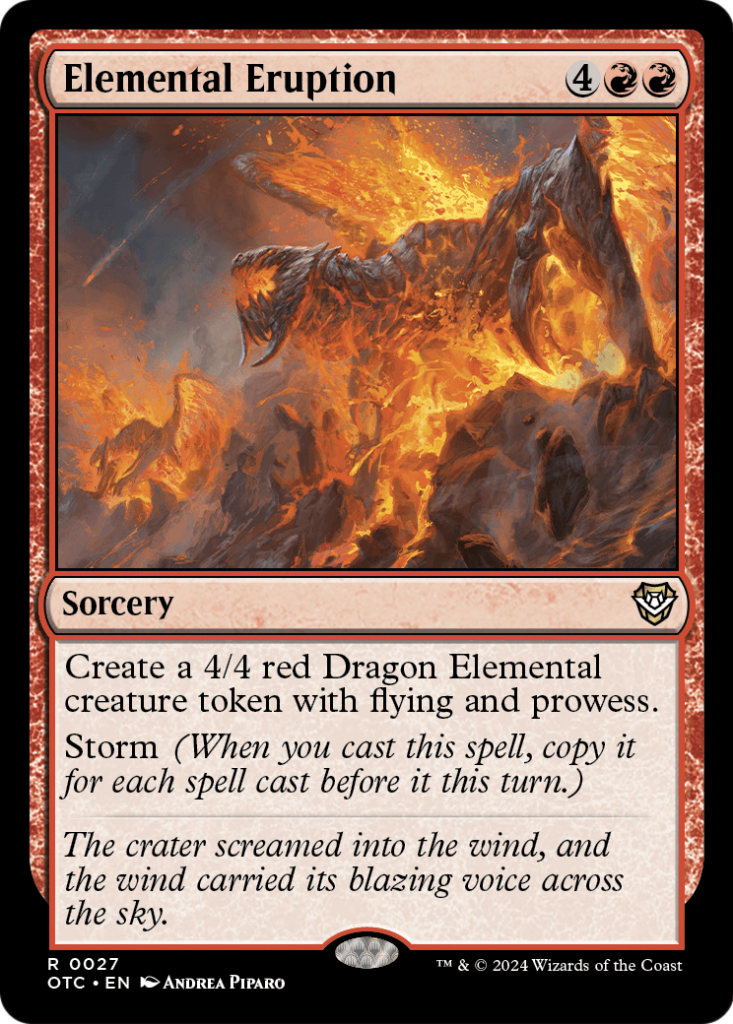
My current build features three primary finishers, all revolving around Storm.
The recent addition of the two red payoff spells has opened up an entirely new angle of attack. While they usually require an extra turn to actually end the game and remain vulnerable to sweepers, a battlefield full of Dragons represents both a legitimate clock and an excellent defensive wall.
There are several other viable Storm finishers worth exploring, but I’ll save those for another article.
The Storm Shell
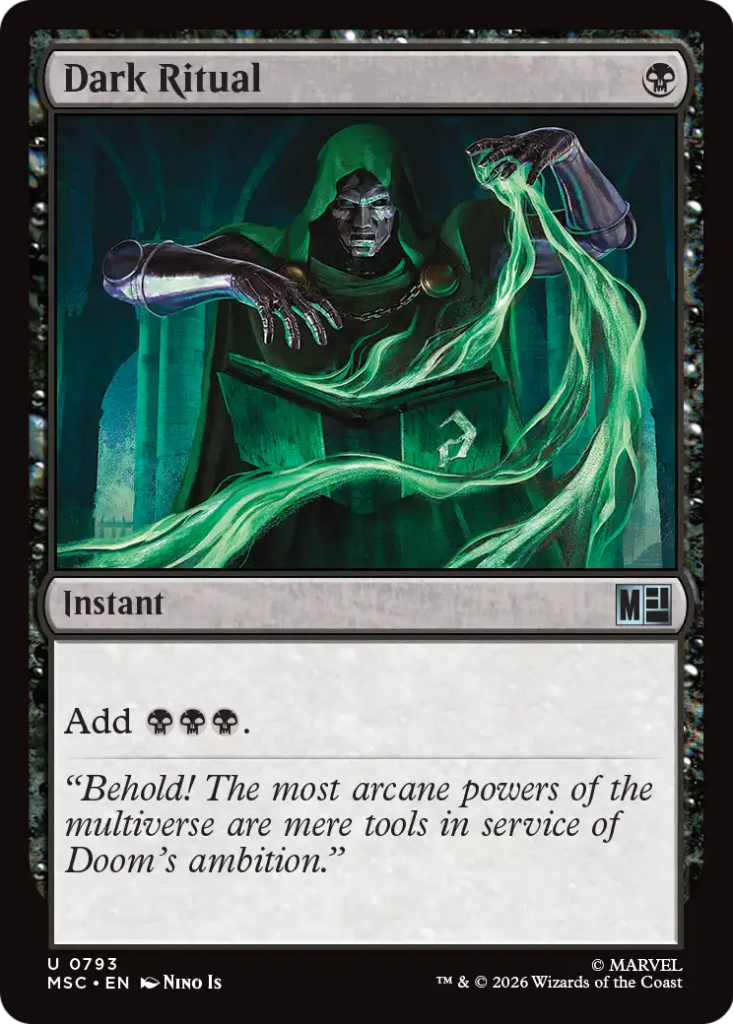
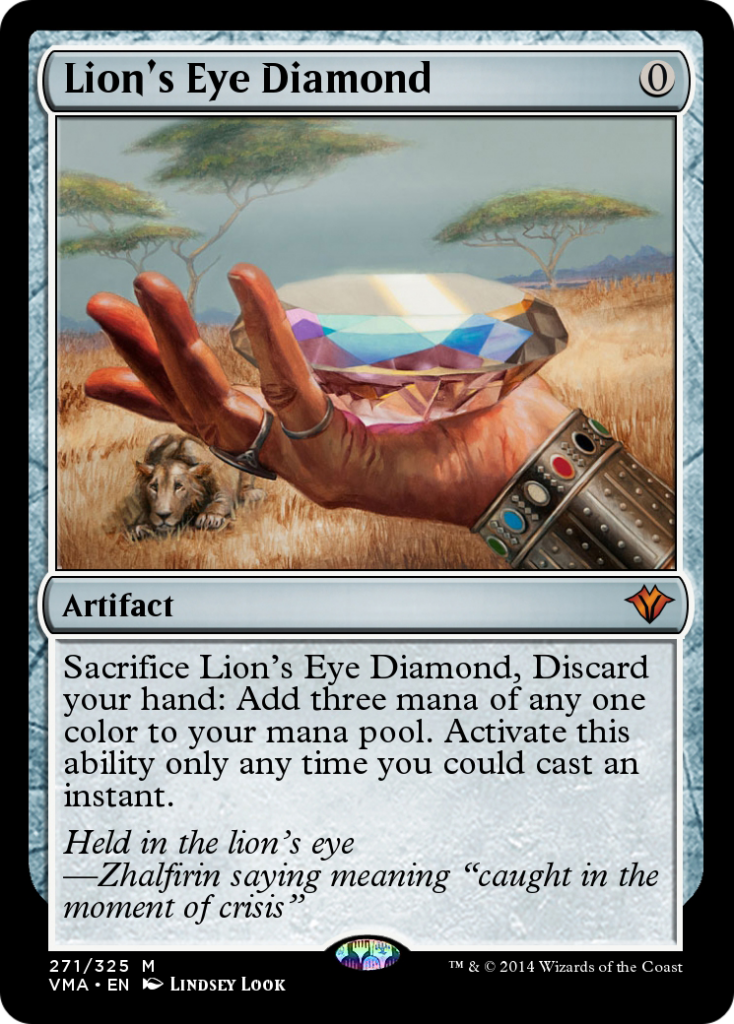
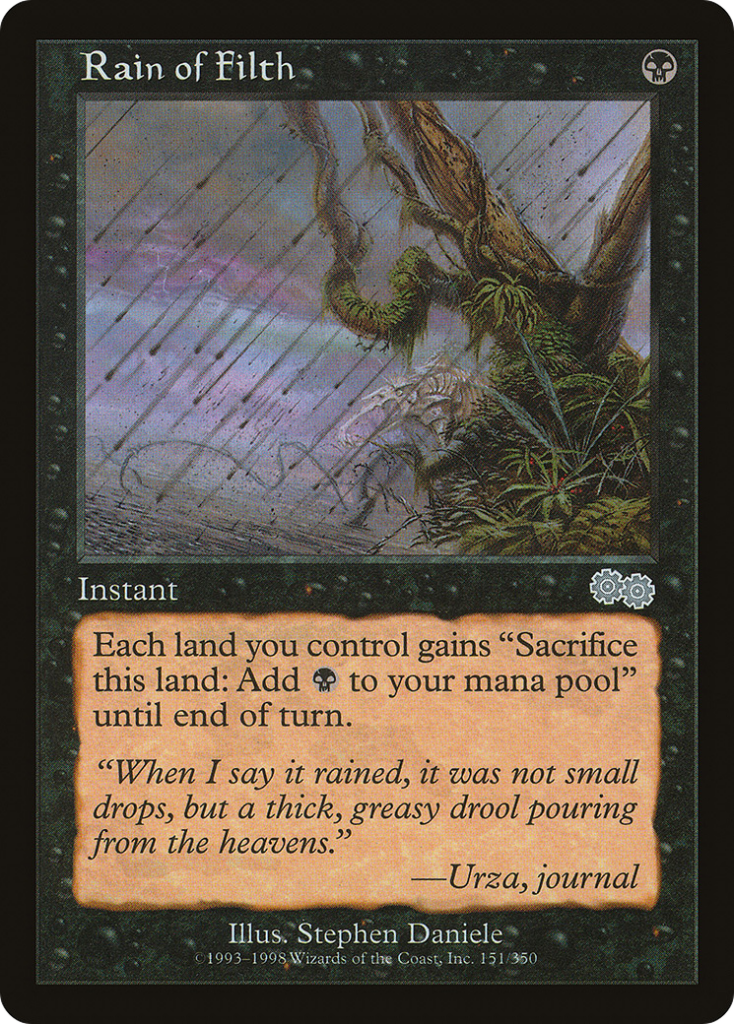
Nothing particularly surprising here.
The deck plays the usual package of 0-mana artifacts and mana rituals, generating explosive amounts of mana while naturally increasing Storm count.
Thanks to Rograkh and Tevesh’s tokens, we can also take full advantage of cards such as Mox Amber, Culling the Weak, and Infernal Plunge.
The Big Spells
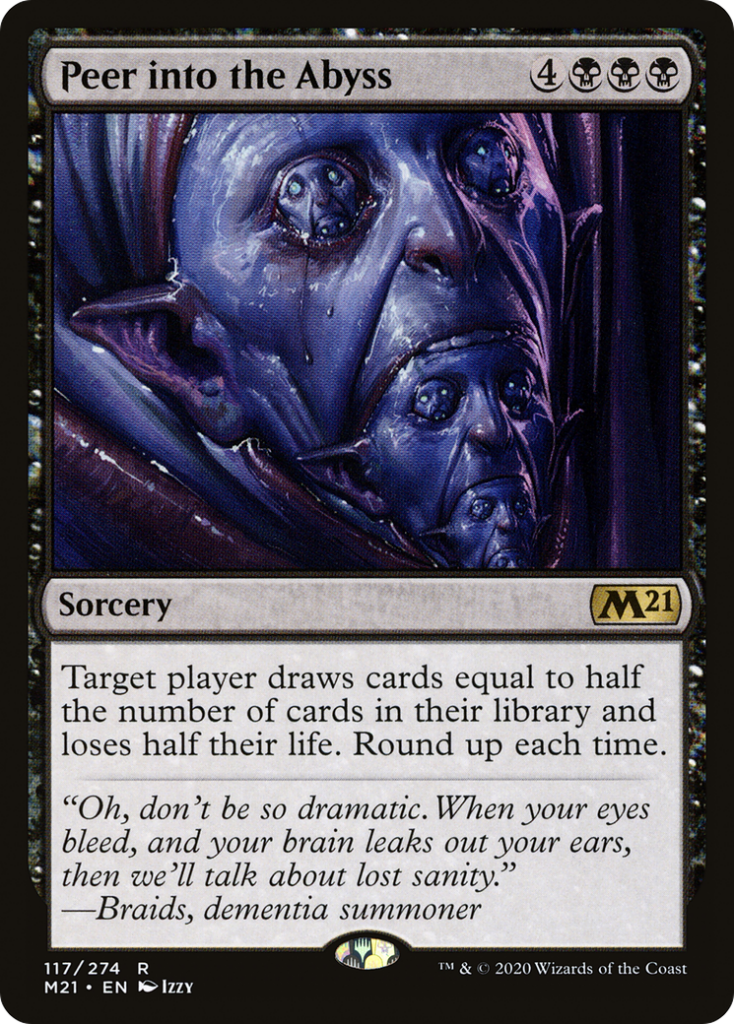
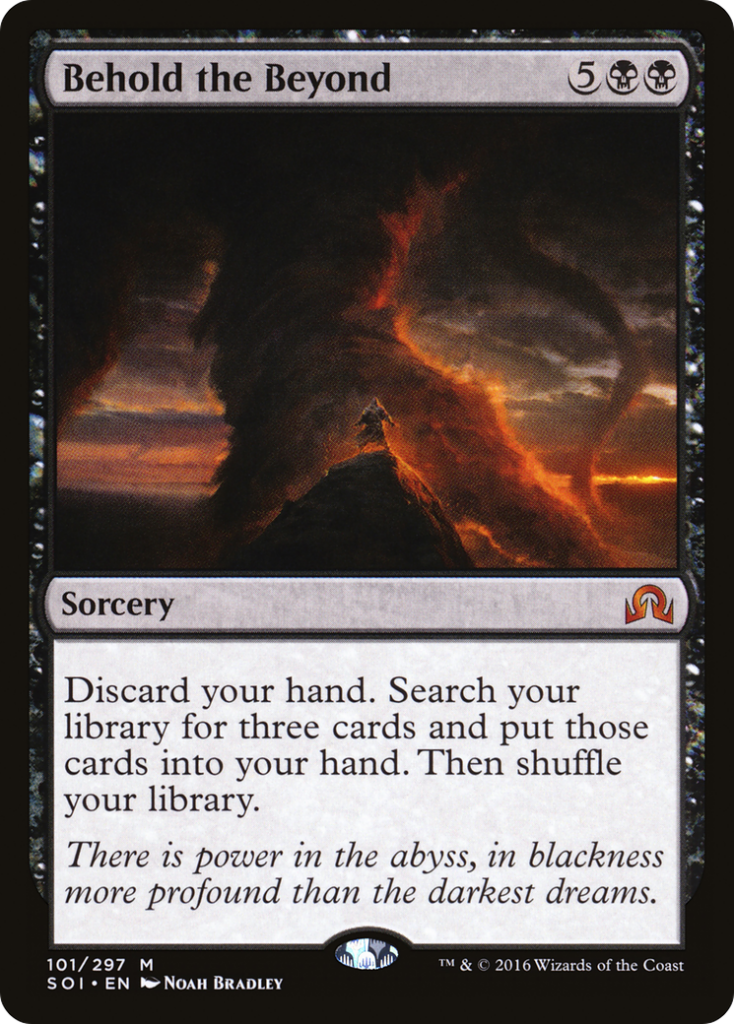
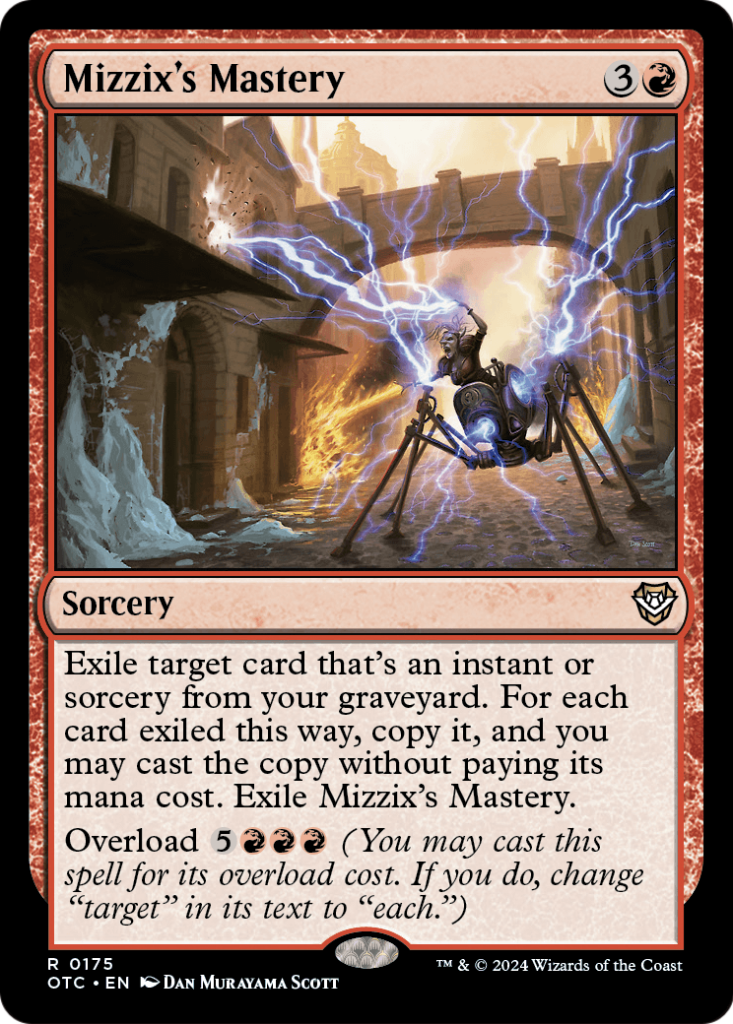
Although Storm is our win condition, most victories begin with resolving one of two incredibly powerful black sorceries.
Peer into the Abyss is exactly as absurd as it looks. Drawing half your library while still having either a land drop available or a single floating mana will almost always result in a deterministic kill, assuming you sequence correctly.
Casting Peer without available mana or an unused land drop is considerably riskier and increases your chances of fizzling, but even then, winning remains entirely possible.
Behold the Beyond, on the other hand, is a much more technical card.
Choosing the correct three cards feels remarkably similar to resolving Doomsday. Learning which “pile” to assemble depending on your available mana and resources is one of the most challenging aspects of the deck.
From my experience, Behold reliably wins with two floating mana, often with one, and occasionally even from zero, provided the game state allows it.
Unlike Peer, whose weakness is simply drawing “the wrong half” of your deck, Behold creates deterministic wins. The downside is that most lines rely heavily on Mizzix’s Mastery, making it significantly prone to graveyard hate.
Speaking of which, Mizzix’s Mastery deserves its own place in this section. Besides functioning as an additional copy of either black payoff spell after they have been countered or discarded, its overloaded mode is occasionally capable of winning the game entirely on its own.
The tutors
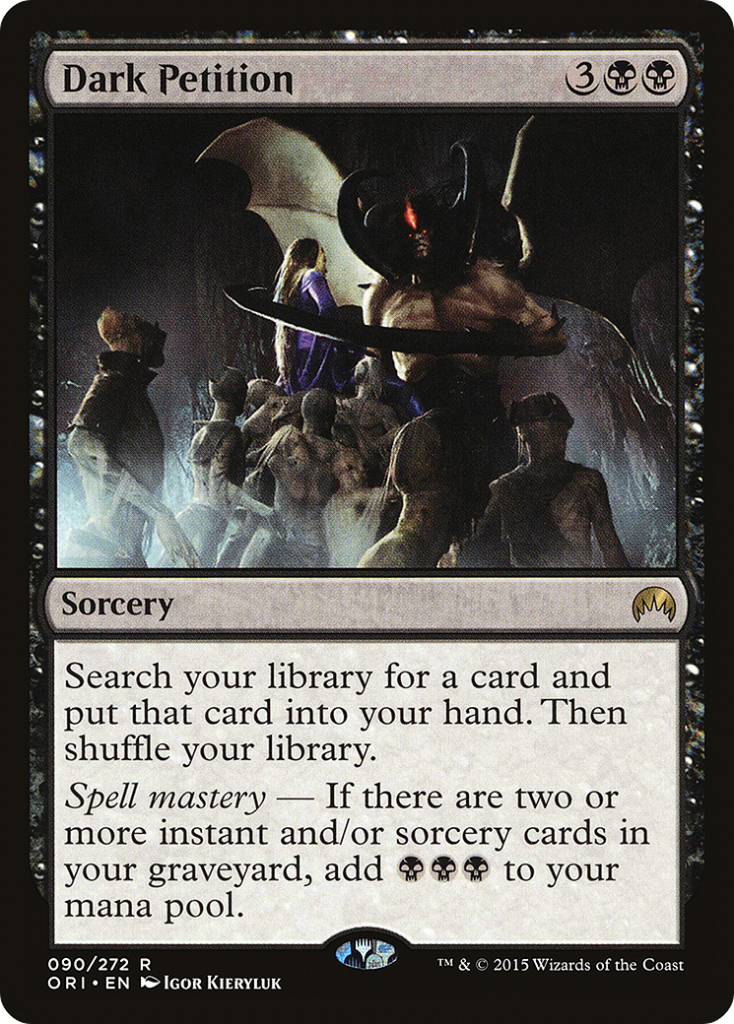
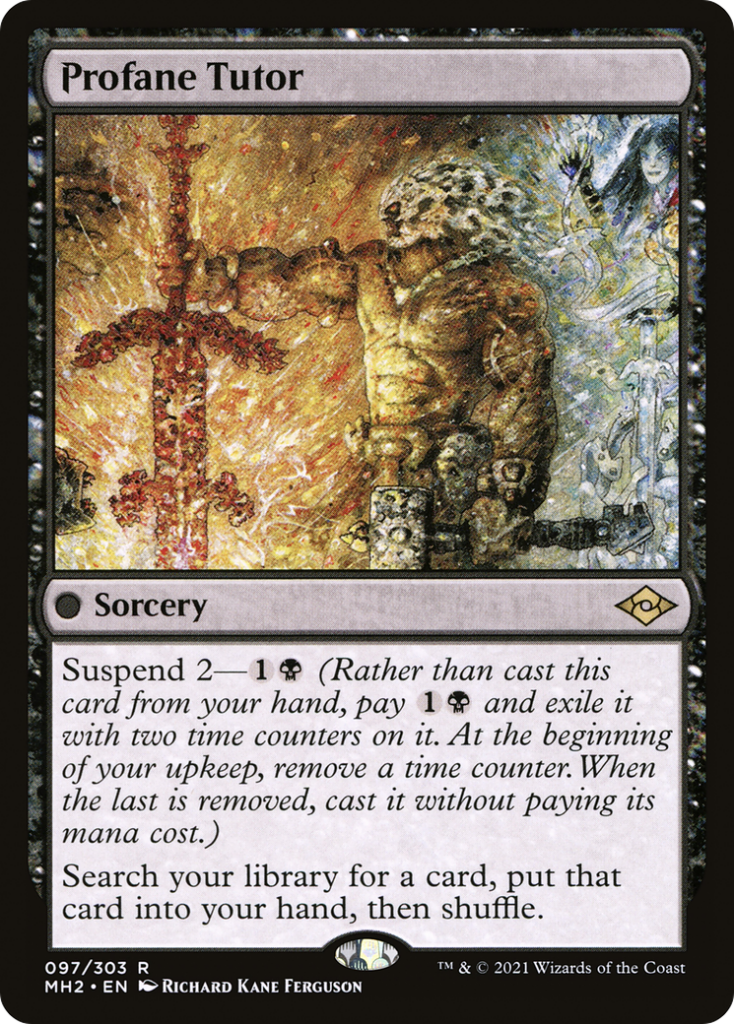
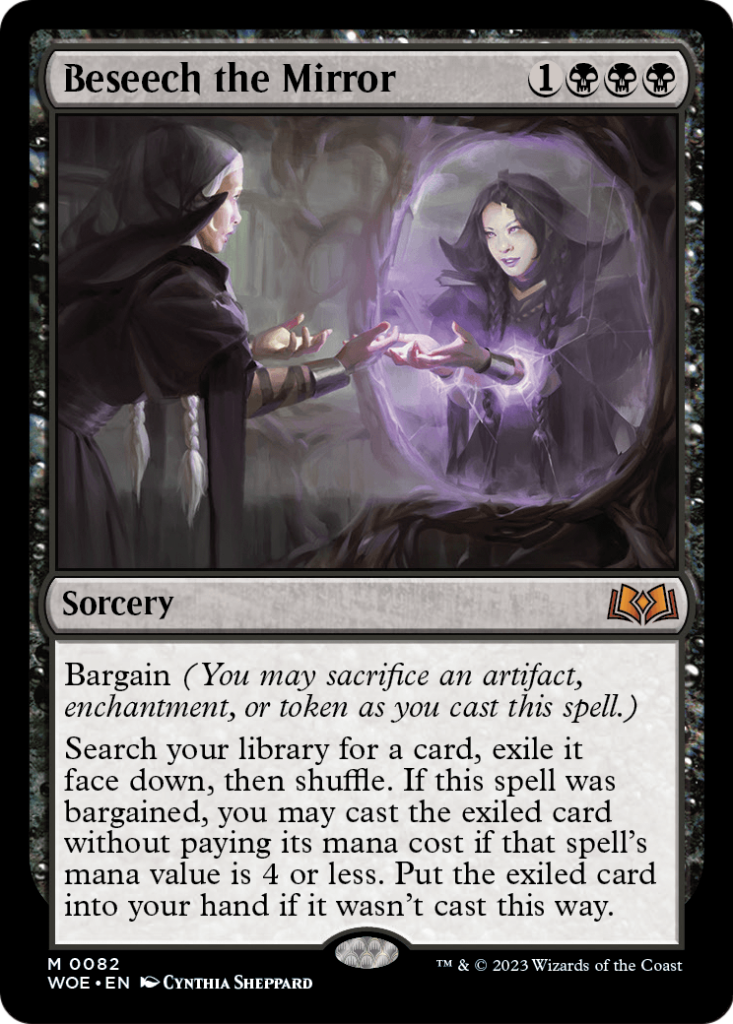
Not much to explain here.
We’re a combo deck, so we need to find our combo pieces.
When you’re tutoring for one of the big payoff spells, it’s often perfectly correct to do so before you actually have enough mana to cast it. Yes, this exposes you to discard, but waiting until you can both tutor and combo in the same turn often means giving your opponent too much time.
Removal o Discard?
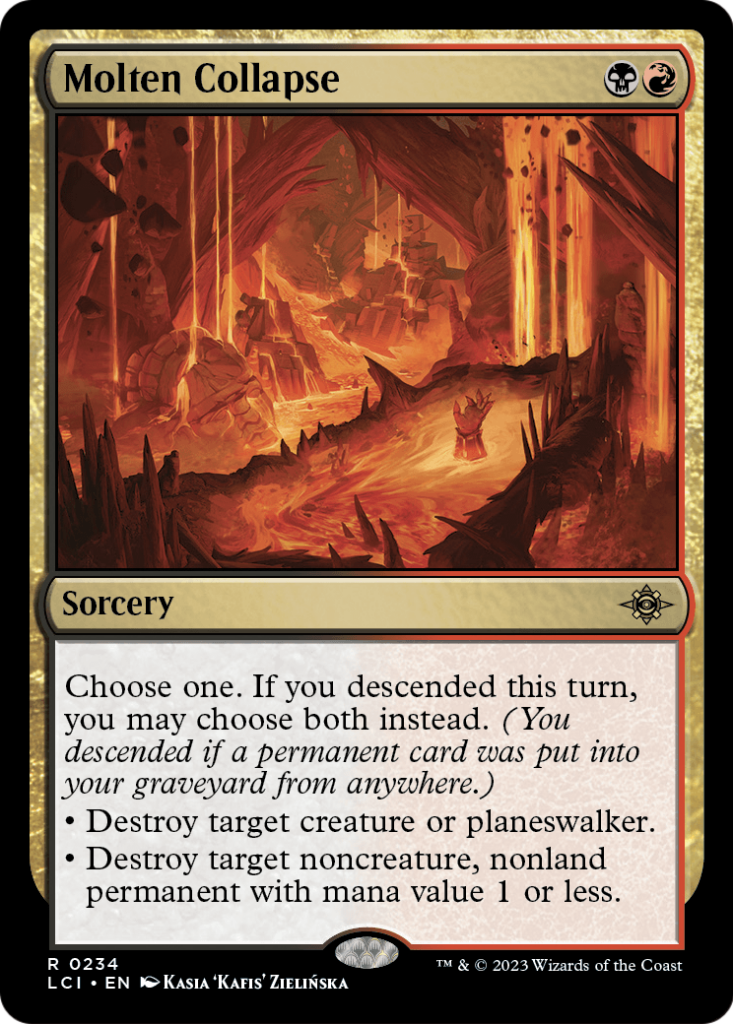
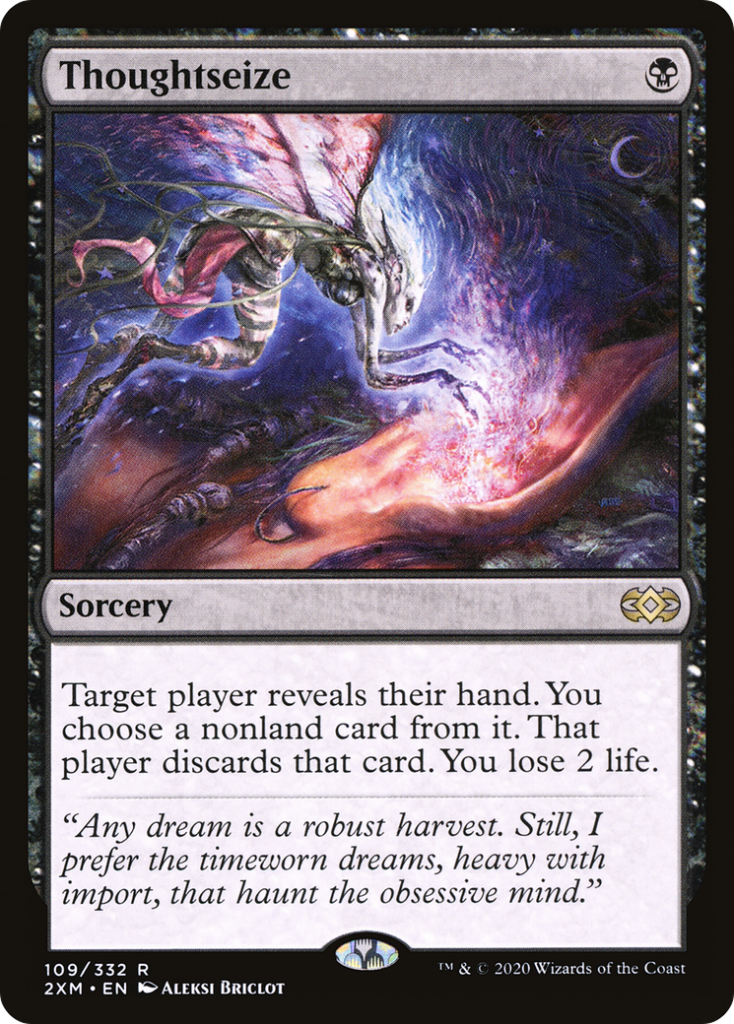
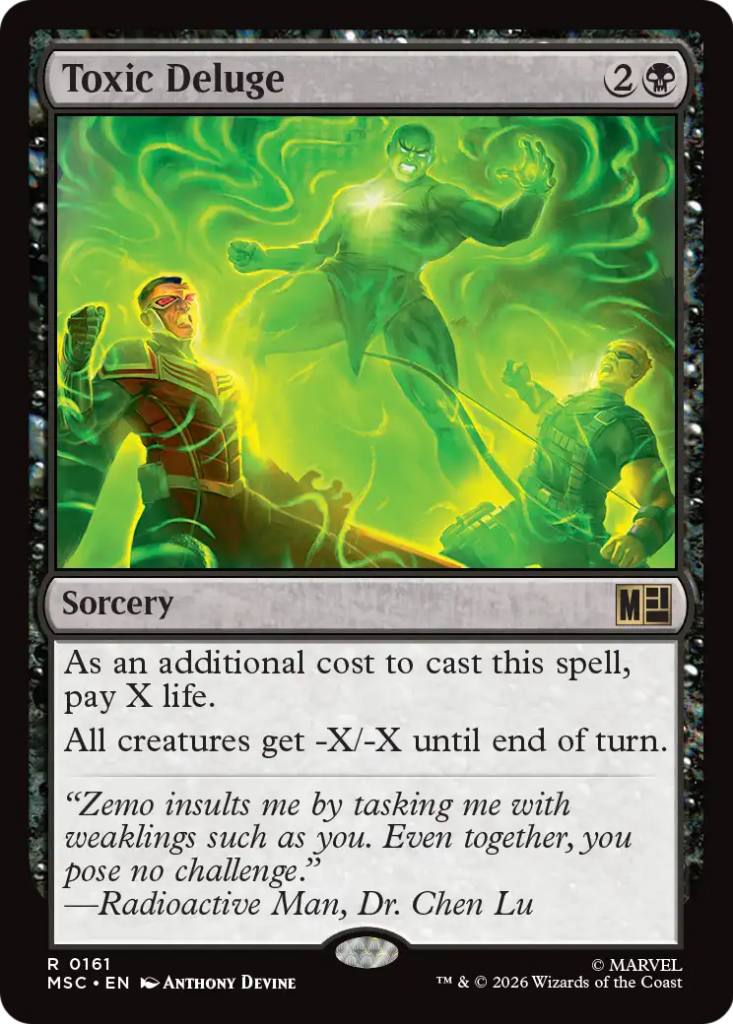
Without access to blue, our interactions naturally fall into two categories.
Removal buys us time against aggressive decks and removes problematic creatures that can shut down our combo.
Discard spells strip opposing counterspells and generally make interacting with us much harder.
Finding the right balance between removal and discard isn’t an exact science—it largely depends on what you expect to face in your local metagame.
Flexible Slots
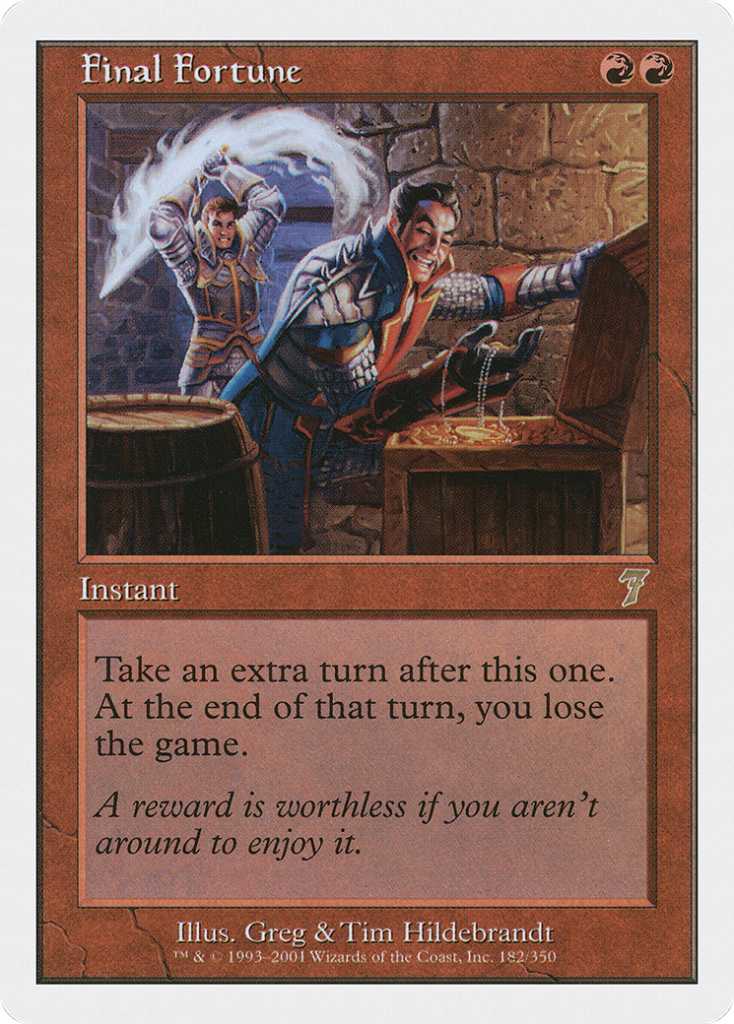
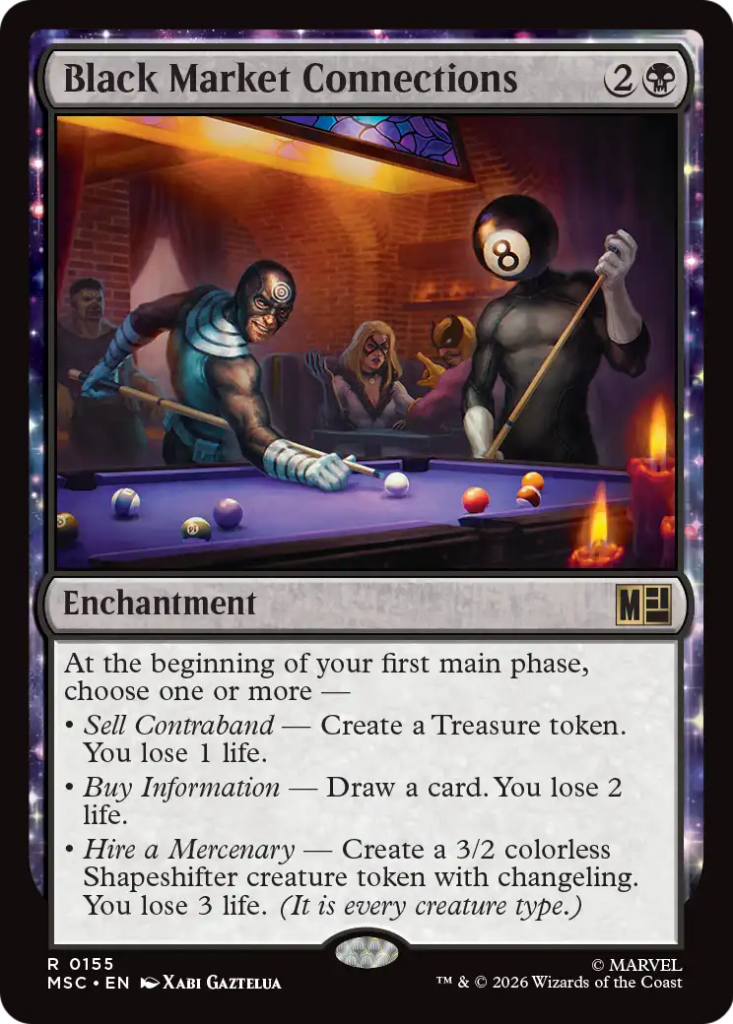
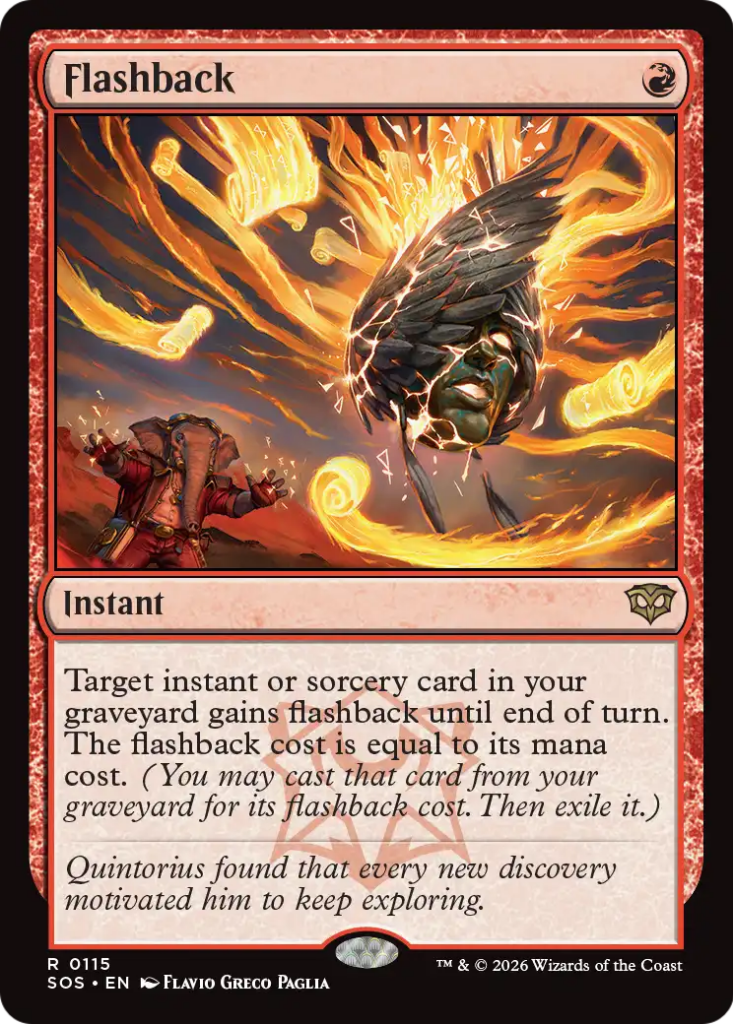
Several slots in the list aren’t essential combo pieces and can easily be tailored to personal preference.
These are my current choices, but there’s plenty of room for experimentation.
Cards I’ve played in the past include Necropotence and Throne of Eldraine, among many others.
A Couple of Example Lines
To give you an idea of how Peer into the Abyss plays out, here’s an actual example.
Drawing 36 cards revealed:
- Behold the Beyond
- City of Traitors
- Culling the Weak
- Dark Petition
- Dark Ritual
- Lion’s Eye Diamond
- Lotus Petal
- Rite of Flame
- Seething Song
- Stormscale Scion
- Strike It Rich
- Tendrils of Agony
- Thoughtseize
As you can see, having either a floating mana or an available land drop is usually enough to start chaining spells together.
Assuming I already have one black mana available, my sequence would be:
Dark Ritual → Thoughtseize → Lotus Petal → Rite of Flame → Seething Song → Strike It Rich → Dark Petition (finding Yawgmoth’s Will) → Lion’s Eye Diamond → cast Yawgmoth’s Will maintaining priority and sacrificing LED → replay everything from the graveyard.
That line reaches 19+ Storm without much difficulty.
A typical Behold the Beyond line is more deterministic.
Starting with BR, I tutor for:
- Mizzix’s Mastery
- Dark Ritual
- Lion’s Eye Diamond
Mastery flashes back Behold while cracking LED in response.
This second Behold finds:
- Lotus Petal
- Cabal Ritual
- Beseech the Mirror
After sacrificing Lotus Petal for Bargain, Beseech finds Yawgmoth’s Will, allowing the entire graveyard to be replayed before a second Beseech eventually tutors Tendrils of Agony for the kill.
About Those Possible Unbans…
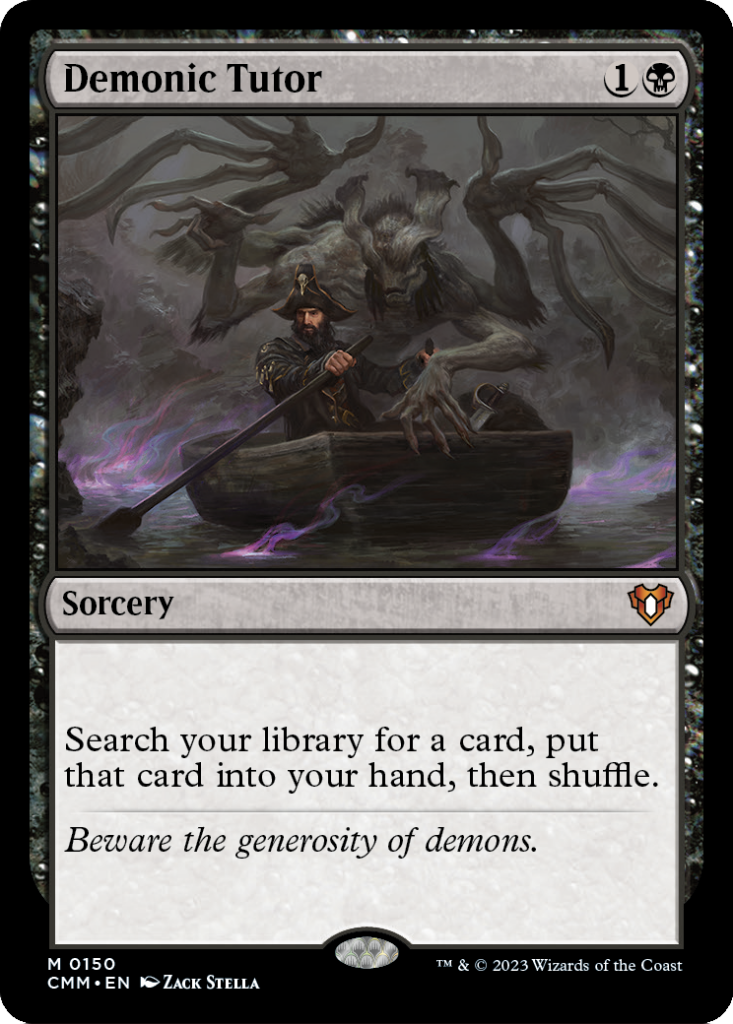
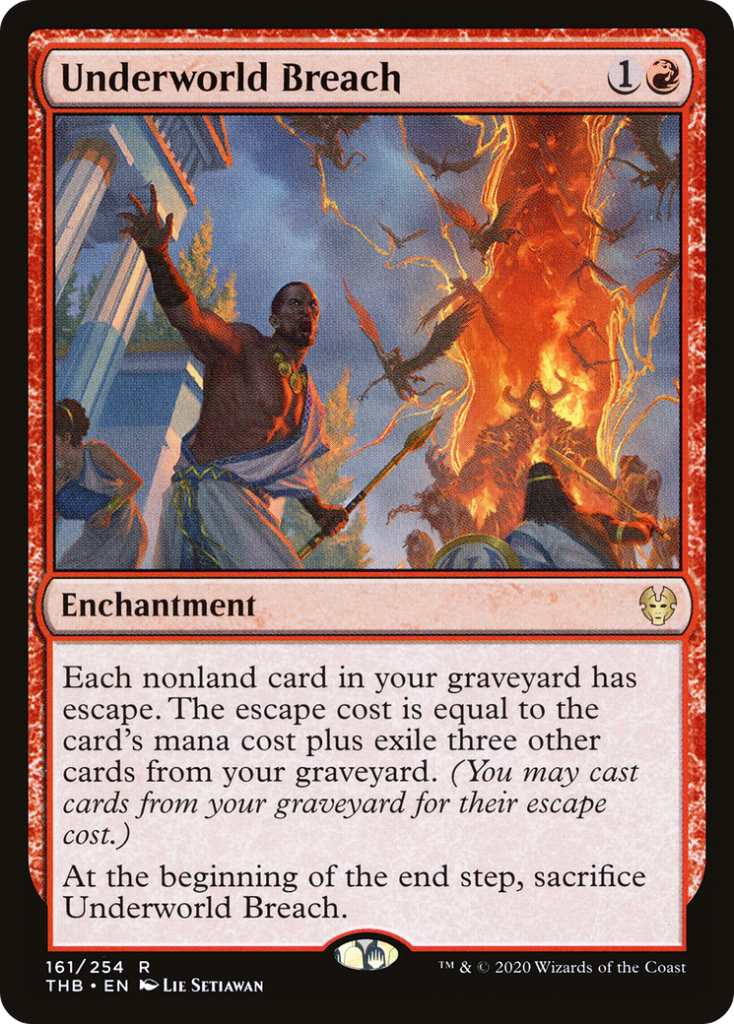
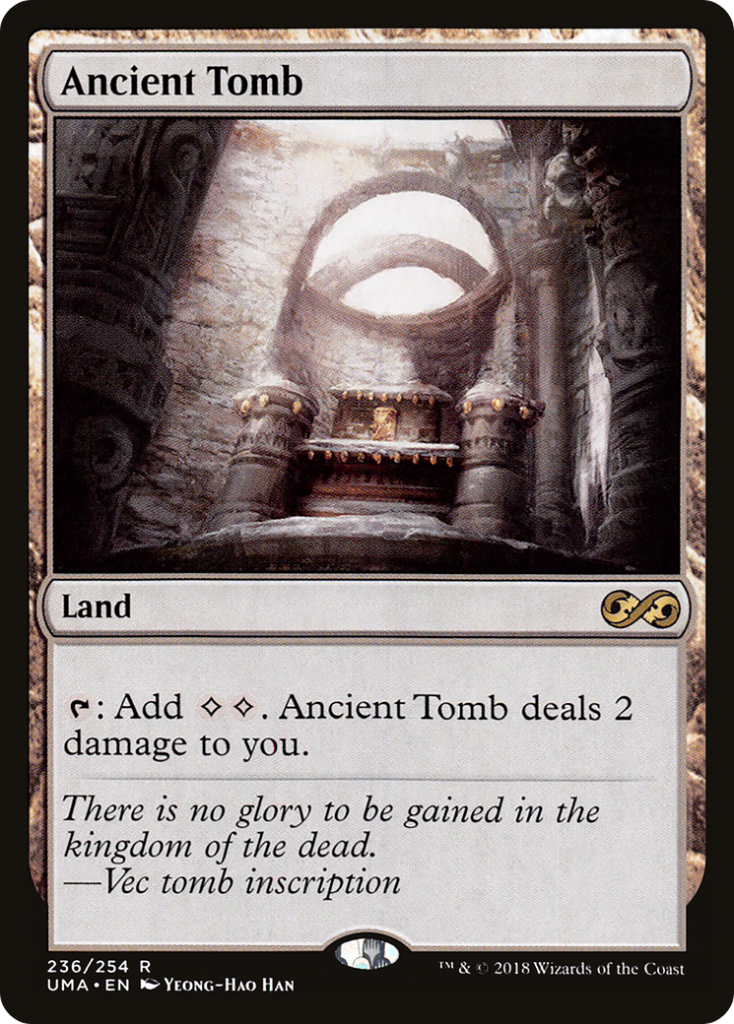
There’s nothing in Tier D I’d add to this deck.
Once you look at Tier C, though, it’s basically a wish list: Demonic Tutor, Ancient Tomb, Imperial Seal, Underworld Breach…
Any one of those cards would make the deck significantly stronger.
That said, it’s clearly too early to unban cards of this caliber. Still… if the format’s overall power level keeps increasing, who knows?
Brewing Ideas
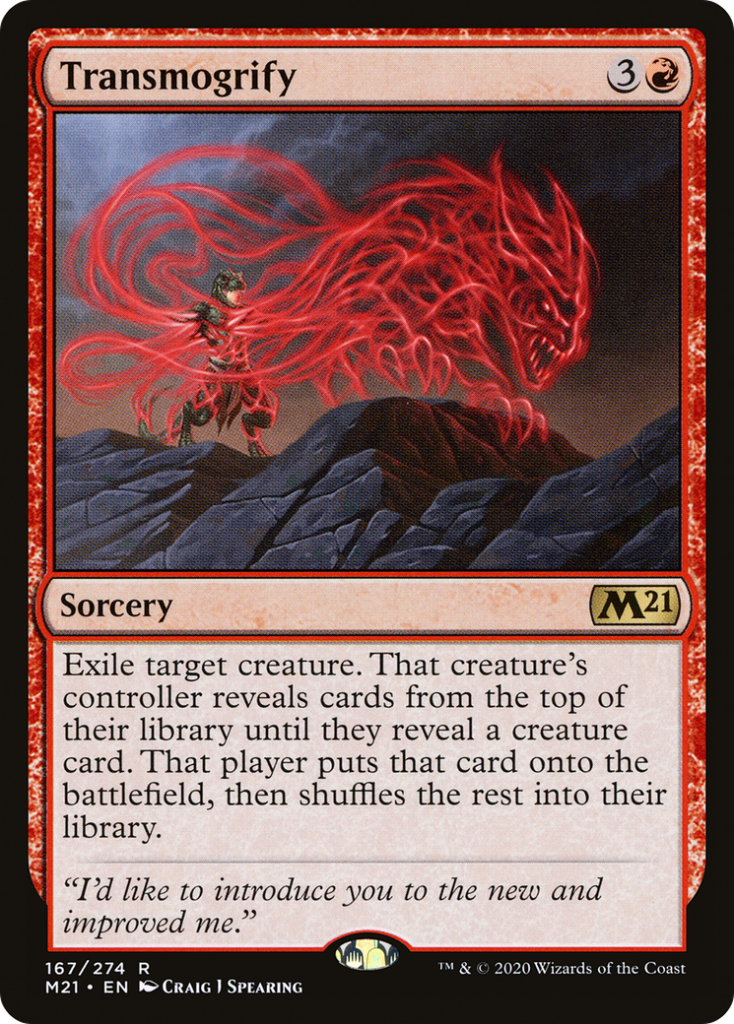
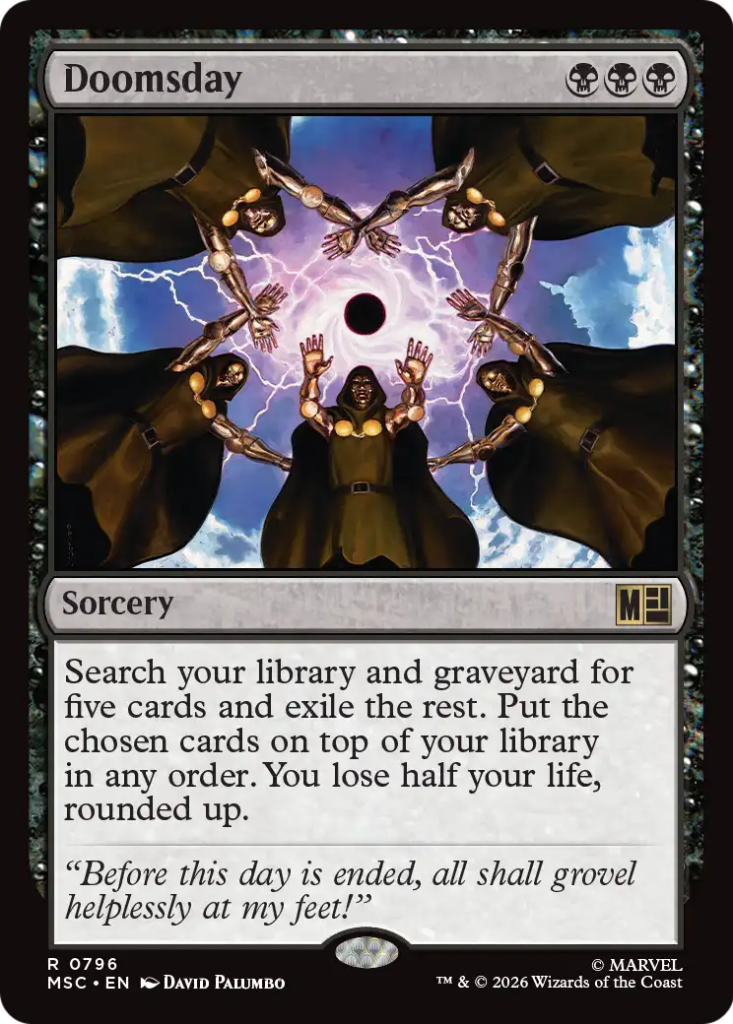
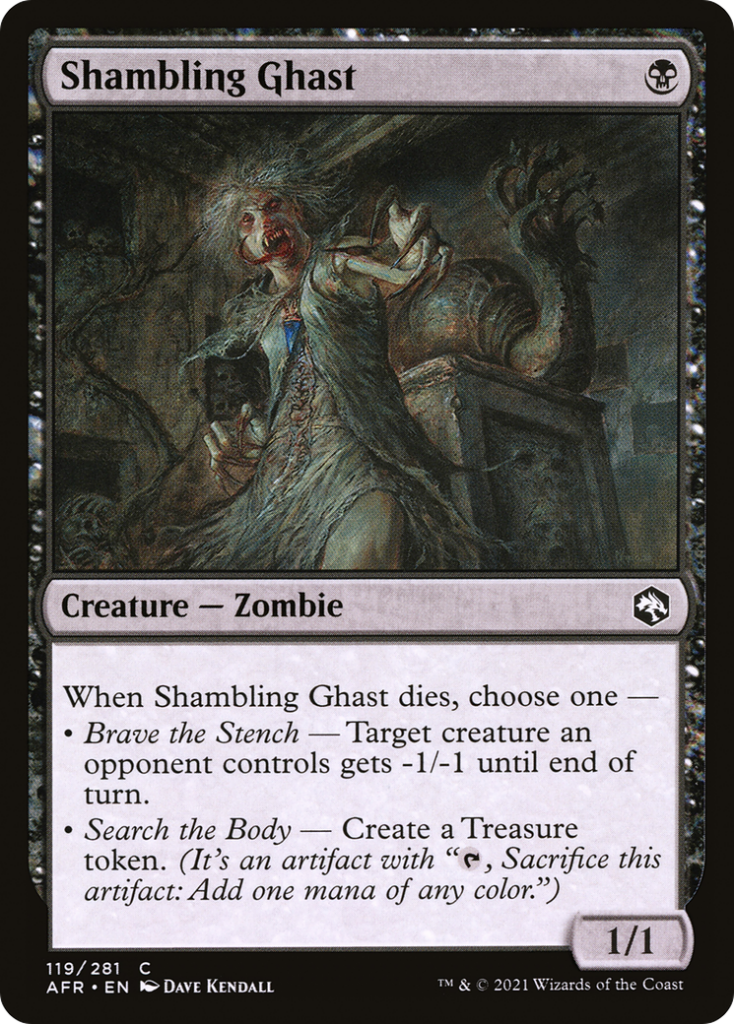
I won’t spend too much time on this—especially not in my first article—but the deck offers plenty of room for experimentation.
The core strategy stays the same, while the flexible slots allow for very different approaches.
Some ideas worth exploring include:
- a Transmogrify backup plan;
- Hoarding Broodlord together with Saw in Half;
- Doomsday;
- a build with more dedicated sacrifice outlets and sacrifice fodder;
- a learn package with Eyetwitch and a Lessonboard.
This is probably the area where the archetype has the most unexplored potential, so I’d encourage everyone to experiment.
Final Thoughts
This deck is incredibly rewarding to play and offers far more play patterns than it may appear at first glance.
If you think it lines up well against your local metagame, give it a try.
The learning curve is definitely steep, and you’ll need a fair amount of goldfishing before the combo lines become second nature—but that’s also part of what makes the deck so satisfying.
If you have any questions or want to discuss specific lines, feel free to reach out.
About the Author
I’ve been playing 1v1 Commander since before the Leviathan era, currently coordinate the Rome Centurion community, and teach Mathematics and Physics in high school.
These days I’m kept away from tournament tables by a wonderful—and constantly growing—family, but I still enjoy refining decks and sharing ideas with the community whenever I can.